Is A Range Hood Required By Code Inward Ontario
Range hoods are sure enough a skilful thought inwards whatever kitchen amongst a range. They aid to forestall the inevitable cooking-related smoke in addition to odors from lingering in the kitchen, permeating the article of furniture, in addition to spreading throughout the menage. But inward close to cases, they might but have up besides much infinite or be the detail that pushes you lot over your renovation budget.
I have combed through the diverse codes and regulations for you lot in addition to present the information that you ask below, minus all the confusing extras that y'all would observe inwards the codes themselves.


Range hoods are not required inward kitchens in Ontario as per the IRC, National Building Code of Canada (except if the reach is used for commercial purposes), as well as Ontario Building Codes. However, the Ontario Codes make involve just about form of exhaust air intake in kitchens. A range hood would satisfy this rule.
Range Hoods Not IRC Requirement
The IRC required mechanical ventilation inward the kitchen solely when natural ventilation is insufficient. The code as well discusses the pattern, construction, and installation of kitchen reach hoods. This data tin can live establish inward IRC Chapter 15, Section M1503.
Furthermore, Section 1505.four.four states the minimum required local exhaust rates inward kitchens (100 CFM for intermittent as well as 25 CFM for continuous).
However, nowhere does the IRC specify that kitchen range hoods are required.
National Building Code of Canada: Hoods Not Required
You will observe the information pertaining to residential edifice ventilation systems on pages 527-535 of the National Building Code of Canada.
As alongside the IRC, the National Building Code requires mechanical ventilation where at that place is insufficient natural ventilation (Section half dozen.3.1.three on page 527).
According to Sections 6.three.1.vii (page 528) too A.9.10.ane.iv.(1) (page 1234), ventilation systems for the next accept to accommodate to NFPA 96 Ventilation Control as well as Fire Protection of Commercial Cooking Operations:
- Commercial cooking equipment.
- Domestic cooking equipment that is used inwards a mode that produces more fume or grease-laden vapors than a normal residential family unit would produce.


Thus, the National Code too does non specifically ask your kitchen to be equipped amongst a reach hood. However, if you function your range on a more industrial or commercial degree, then you lot will necessitate a range hood compliant amongst NFPA 96.
It is always vital to expect at your local codes besides as the international as well as national codes. This is because the local government tin can make amendments in addition to additions to these codes to make them more applicable for the nature, economy, climate, etc., of that local surface area. A great case of this is California, which does take mechanical ventilation for ranges.
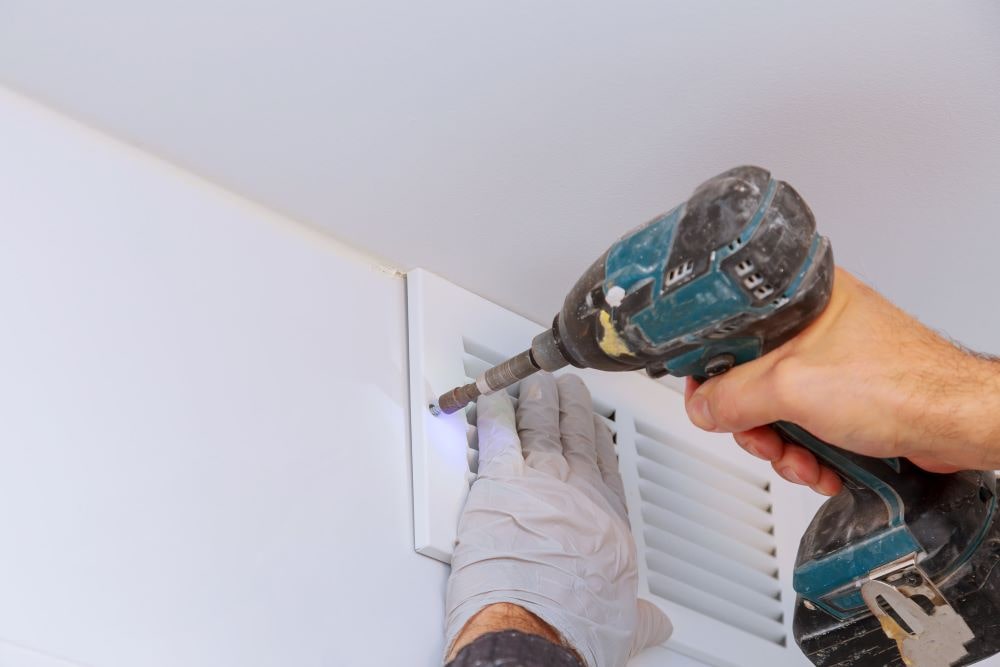
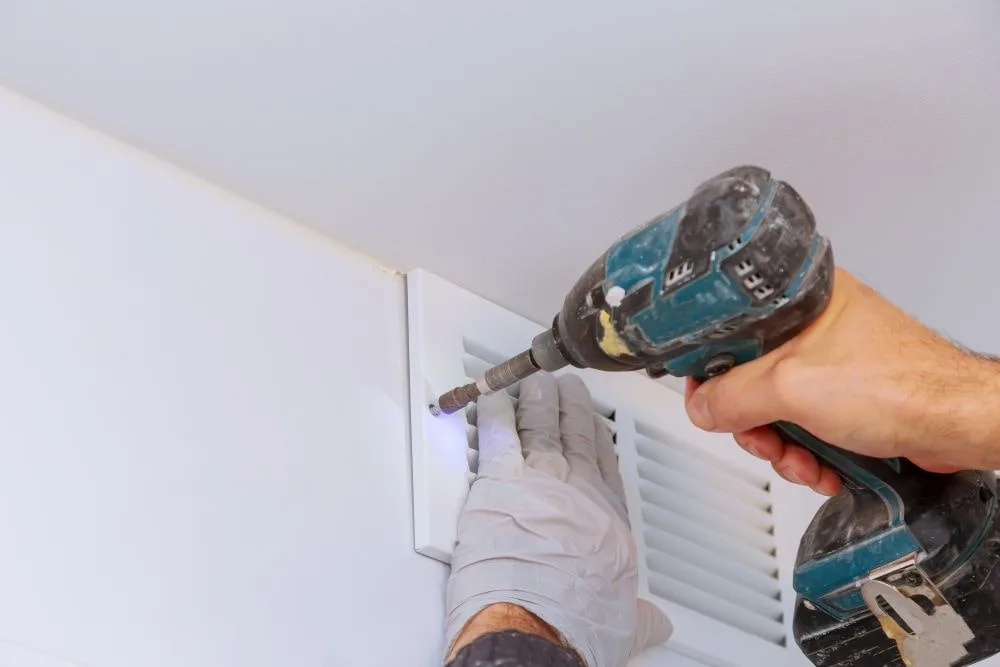
Exhaust System Required by Ontario Building Codes
The Ontario Building Codes do not expressly ask your kitchen to live equipped alongside a range hood. However, (two) of Section 9.32.3.5. says:
“An exhaust air intake shall be installed inwards each kitchen….”
If not a range hood, this exhaust air intake bespeak may be a vent that forms role of the whole-menage ventilation organization (HVAC system), an exhaust fan, etc.
(iii) of Section nine.32.iii.5. says that if you are not using a range hood, and then the intake point has to live located either:
- In the ceiling OR
- On the wall, but notwithstanding inside 300 mm of the ceiling.
Thus, reach hoods are non required, only mechanical ventilation is. Range hoods volition be the easiest and about effective way to reach this requirement.
Required Ventilation Capacity
Section ix.32.i.3. of the Ontario Building Codes requires all rooms in addition to spaces to be ventilated, just this can be provided past natural agency, mechanical way, or a combination of both. The natural ventilation surface area would take to live 0.28 m2 per kitchen according to Section 9.32.two.ane.
Whatever the chosen method of ventilation, the full ventilation capacity inward the kitchen has to live 5 L/second (Section nine.32.iii.three.), which is near x.5 CFM.
HVI Specifications
According to the Home Ventilation Institute (HVI), the minimum airflow ratings for kitchen exhaust systems is 100 CFM (47 L/s) if you accept intermittent exhausting (in that location are no specifications if y'all accept continuous exhausting). The actual required rating is dependent on where the range hood is located (wall or isle), in addition to the width of the hood against the wall.
Specified Range Hood Ratings
Section ix.32.3.ix. of the Ontario Building Code specifies the fan (range hood) ratings, which demand to adhere to:
- CAN/CSA-C260-G Rating the Performance of Residential Mechanical Ventilating Equipment.
OR
- HVI 916 Airflow Test Procedure and HVI 915 Procedure for Loudness Rating of Residential Fan Products.
The loudness rating of range hoods or kitchen exhaust fans is non specified.
Range Hood Installation in addition to Ducting Requirements
Section half-dozen.ii.three.eight. of the Ontario Building Codes looks at the requirements for exhaust ducts for mechanical ventilating systems, including range hoods.
Prevent Backdrafts
The exhaust ducts must be fitted alongside a backdraft damper (or like) to forestall cold drafts as well as condensation. A backdraft damper will too foreclose H2O from dripping out of the reach hood.
I highly recommend AC infinity dampers they make fantabulous backdraft dampers that are airtight in addition to will last the lifetime of the ventilation duct.
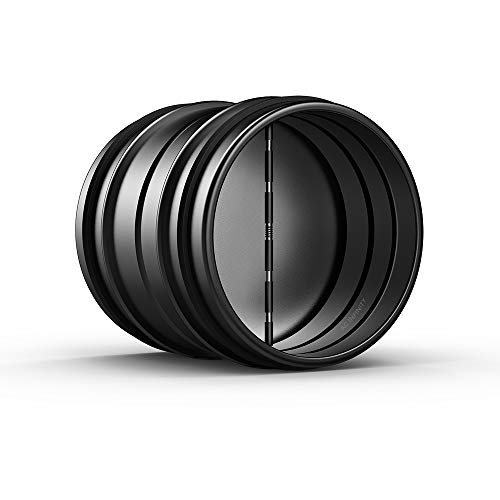
air conditioning Infinity 6" Backdraft Damper, One-Way Airflow Ducting Insert with Spring-Loaded Folding Blades for vi” Ducting in Range Hoods and Bathrooms Fans
- An antidraft duct insert designed for purpose amongst reach hoods, bathroom fans in addition to other home HVAC applications.
- Features outer safe gaskets that create an airtight seal as well as suitcase betwixt the damper too ducts.
- Mounts horizontally or vertically to forbid backflow together with debris from entering ducting.
- Galvanized steel body with jump-loaded aluminum damper blades that open up alongside minimal airflow.

Last update on 2023-04-15 / Affiliate links / Images from Amazon Product Advertising API
Outdoor Discharge
The exhausted air has to be discharged outside of the home.
You tin imagine the issues involved if your kitchen range hood but took all the cooking odors, fume, steam, together with grease-containing air together with dumped it into your sitting room to live absorbed past the wallpaper as well as furniture.
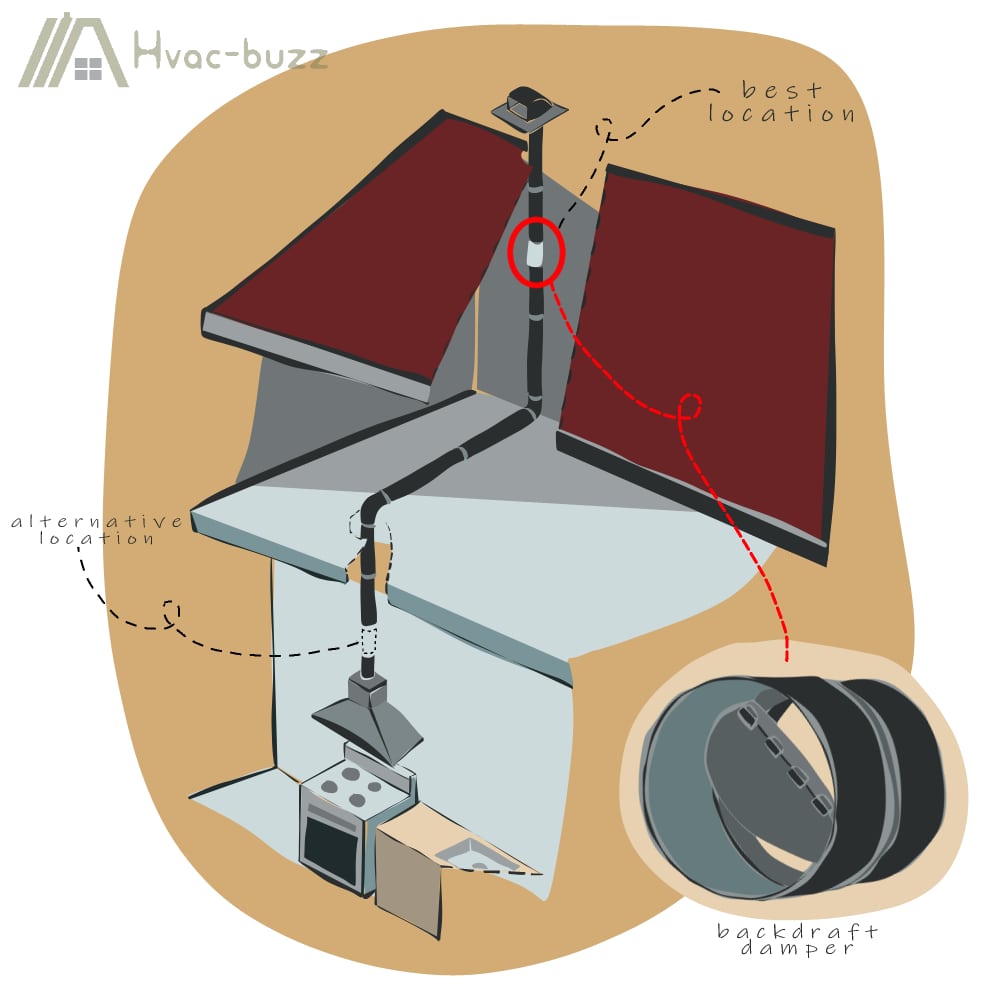
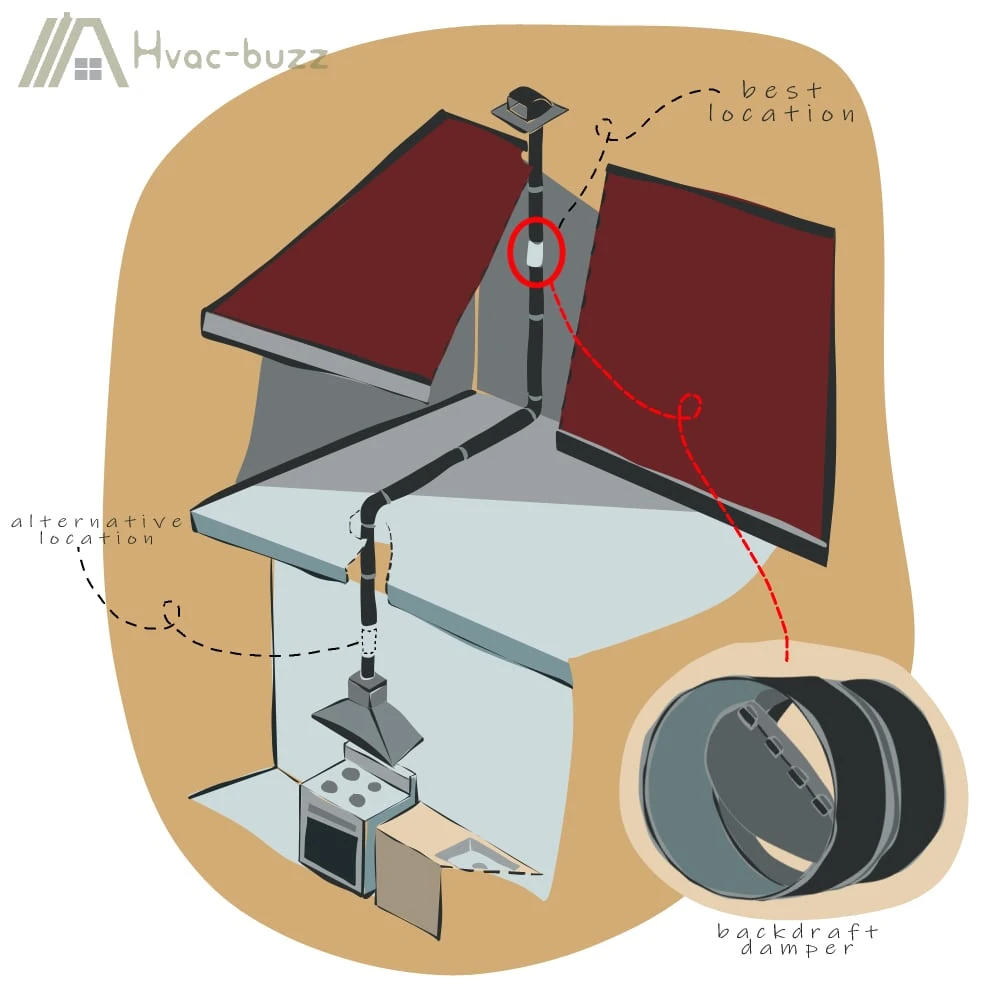
Even exhausting it into a crawl infinite or attic would effort like problems to exhausting a bathroom fan into these spaces. You can read well-nigh these issues inward my articles on Reasons Why a Bathroom Fan Should Not Be Vented Into a Crawl Space too Reasons Why a Bathroom Fan Should Not Be Vented Into an Attic.
Independent Ducting System
The ducting organization for the reach hood must live independent of other exhaust ducting systems (ane.e., you lot cannot link your reach hood to your bath fan or dryer).
However, at that place is an “unless” to this stipulation, and ii or more exhaust systems tin can live connected if:
- Scenario ane
- The connection is at the range hood inlet together with the inlet of the other exhaust arrangement.
- Both or all systems take back pressure devices, which are designed to foreclose backflow of air when 1 arrangement is turned off together with the other is running. This ensures that your cooking smoke too grease cannot go in the other arrangement and get carried about the house together with vice versa.
- Scenario ii
- Both ducts discharge into a shared vent, just the vent must live served past an exhaust fan capable of serving both systems (i.e., it must have the same or a higher CFM rating than the range hood and other exhaust organisation combined) timesed past the functioning diversity element.
- The shared vent or shaft’s exhaust organisation must be operating at all times (continuous as opposed to intermittent ventilation).
Duct Insulation
If your range hood duct runs through an unconditioned infinite, such as an encapsulated crawl infinite or uninsulated attic, then the duct itself must be insulated to preclude condensation formation.
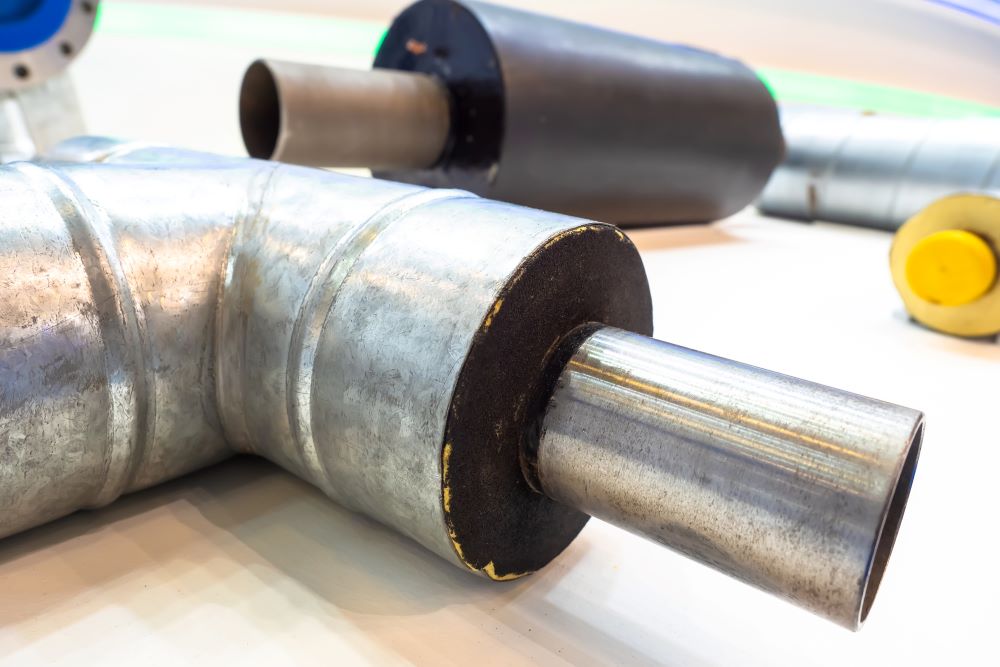
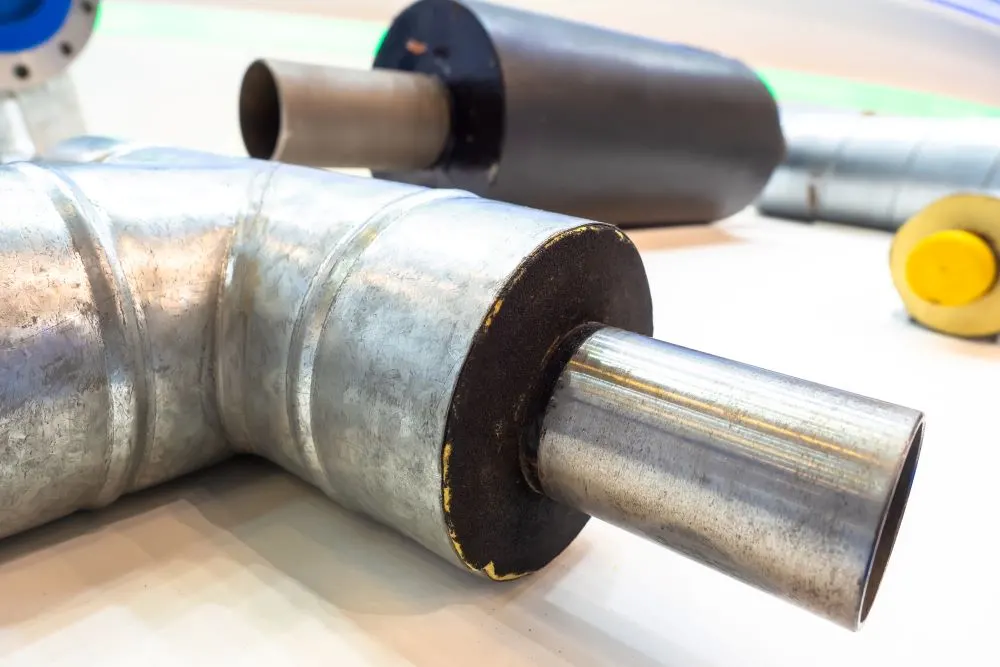
Condensation inside ducts will cause range hoods to drip greasy water on acme of the reach. Not entirely volition this live messy, merely it is likewise a waste material of free energy.
Advantages of Range Hoods
Now that you know you lot have to accept mechanical ventilation inward your kitchen inwards Ontario, I want to set forwards all the benefits of opting for the chore-specific range hood.
- Your article of furniture, carpets, as well as drapes will non absorb cooking grease odors.
- You eliminate that erstwhile petroleum scent and other less identifiable smells from the kitchen.
- Cabinetry, walls, ceilings, and piece of furniture are protected from wet impairment caused by excess steam created during cooking.
- You are protected against inhalation of harmful cooking past-products.
- Your kitchen is code compliant, and so selling upwardly or claiming from insurance is not compromised.
You can read more than details on these v reasons why it’s of import to have a reach hood inward my article on the necessity of reach hoods.
Related article: Is a Range Hood Required past Code in Colorado
Sources
https://gratuitous.bcpublications.ca/civix/document/id/populace/bcbc2012/ep001029.32
https://hvi.iwrapper.com/HVI_Certification_Program_Policies/Publication_915
0 Response to "Is A Range Hood Required By Code Inward Ontario"
Post a Comment